Table Of Content
Your experience and the tests you receive depend on what’s most likely causing your tongue problems. Canker sores aren’t caused by the herpes virus, which causes cold sores. You may be able to identify the cause of some spots easily, but others need further examination.
What are the symptoms of tongue problems?
You can also clean your tongue with a tongue scraper, which can be found in most pharmacies. With this condition, your tongue loses its bumpy texture and appears completely smooth. Bald tongue may be a symptom of anemia or a vitamin B deficiency. The Candida albicans fungus causes it, creating thick, white to green cottage cheese–like patches on top of the tongue as well as the insides of your cheeks.
White and hairy tongue
The two of you can discuss treatment options and strategize how to eliminate hairy tongue if your first treatments aren’t successful. About 13 percent of the population will experience one form of hairy tongue at least once in their lifetimes. But finding the right formula isn't a matter of simply choosing a product off the shelf and hoping that it works. First, it helps to understand what’s causing your hair changes. “A professional gloss can last six to eight weeks,” says Thompson.
How to treat a hairy tongue
If you’re unsure, see your healthcare provider or dentist. If there’s a risk that the patches could become cancerous, as is sometimes the case with leukoplakia, your healthcare provider will remove them. They may use a scalpel, laser or (rarely) another method like cryotherapy (freezing them with liquid nitrogen). This surgery will help ensure that your tongue cells don’t turn cancerous.

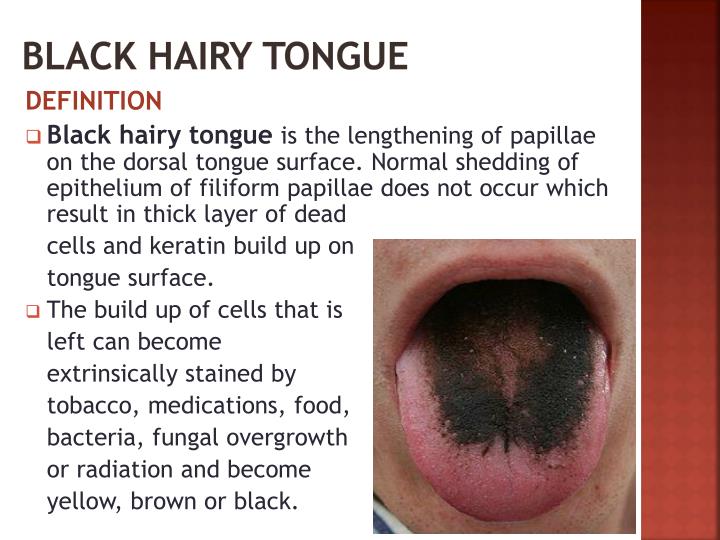
Hairy tongue may develop when food debris is trapped in the papillae when people do not clean their mouth adequately. The tongue may also appear hairy after a fever, after antibiotic treatment, or when peroxide mouthwash is used too often. A hairy tongue resolves soon with appropriate treatment but may recur. Poor mouth and tongue cleaning, dry mouth, and eating only soft foods may raise your risk of black hairy tongue. White hairy tongues may be the result of hairy leukoplakia.
Additional Common Questions
A clear gloss (one that’s pigment-free) delivers the same smoothing and strengthening benefits, just without adding any color. Thompson does warn that not all over-the-counter glosses are created equally, so make sure to consult with your hair colorist before trying any out at home. Massage this glaze into your hair after shampooing, leave it in for a couple minutes, then rinse out for the silkiest hair. The tip applicator makes it easy to saturate your locks as you glide it through the middle and ends of your hair before blending it into your roots. Ceramides and mullein-flower extract moisturize and add shine, while the sheer pigment will simply enhance your natural hair color.
But if you don’t brush often enough, the papillae can continue to get longer and longer. Papillae are made from keratin, the same material that hair is made from, which can lead to a hairy appearance. Smoking and drinking too much coffee may also change oral health, increasing the risk of hairy tongue.
This can help identify which bacteria and/or yeasts are colonized on your tongue, and treatments can be tailored to these specific organisms. Your tongue has lots of these, and they help your tongue stay clean and grip food. Hairy tongue occurs when these filiform papillae do not shed properly, and there is a buildup of the skin protein known as keratin. When this happens, food, bacteria, or yeast can accumulate in the over-keratinized filiform papillae network and cause odd discoloration. The upper surface of the tongue is rough in texture because it is covered in tiny, processes or protrusions called papillae.
Best for Deep Conditioning
A 64-year-old smoker had a case of hairy green tongue - Interesting Engineering
A 64-year-old smoker had a case of hairy green tongue.
Posted: Mon, 10 Jul 2023 07:00:00 GMT [source]
White tongue sometimes happens alongside a different tongue problem called black hairy tongue. With black hairy tongue, the food particles, dead cells and bacteria cause your tongue to appear dark and furry instead of white. According to the National Health and Nutrition Examination Survey, the point prevalence of tongue lesions is 15.5 percent in U.S. adults. Lesion prevalence is increased in those who wear dentures or use tobacco. The most common tongue condition is geographic tongue, followed by fissured tongue and hairy tongue.1 Table 1 summarizes common tongue conditions.
If that doesn’t work, speak with your healthcare provider, who can help you develop a treatment plan and determine what might contribute to your hairy tongue. It’s also more common in people with no teeth because their soft food diet does not aid in the normal shedding of the papillae. Your tongue has lots of nerve endings, so it can really hurt if you bite or injure it.
The coating can cover your entire tongue’s surface, the back part only or it might appear in patches. A white tongue can look alarming, but it’s usually just a sign of trapped bacteria, debris (like food and sugar) or dead cells on your tongue. White patches on the tongue or on the inside of the cheeks could also be caused by a disorder known as leukoplakia, which is more common in older adults.
If not, a dentist or doctor can use special tools to scrape your tongue. Consistent use of a toothbrush and tongue scraper should prevent it from returning. Oral hairy leukoplakia is a condition triggered by the Epstein-Barr virus (EBV). Sometimes the patches happen in other parts of your mouth. Oral hairy leukoplakia happens most often in people with a weak immune system such as those infected with HIV.
This article will explain why these hair-like structures grow on our tongues, what they do, and what can make them become more noticeable. In rare cases, the condition can be more persistent, and medical help should be sought from a doctor or a dentist. In addition, substances like bacteria and yeast can discolor the FP. As the FP grow longer, these substances can get caught in the hair-like structures, which can lead to greater discoloration. As this happens, the elongated FP begin to look like hair. Hairy tongue is often temporary and usually quite harmless.
However, certain conditions can cause noticeable bumps on the tongue. For example, strawberry tongue—bumps on the tongue that look like strawberry seeds—is one condition in which you would notice the papillae. If white tongue is the only symptom you notice, you may be safe to wait and see if it goes away.
You can also find hair growth serums that contain active ingredients that have been FDA-approved to promote hair growth, like minoxidil. Sherry says that glosses focus on conditioning, adding shine, and enhancing the color for a longer period of time while glazes don’t last as long. She explains that glazes are usually a quick fix to adjusting any unwanted tones in the hair color. However, Thompson says there’s no difference between the two and that the most important differentiation is simply the one between clear and color treatments. The main idea with both glosses and glazes is that they deliver shiny, silky hair.
This condition causes small, white patches with hair-like texture. Most of the time, you shouldn’t stress over changes in your tongue. If symptoms persist or get worse, schedule a visit with your healthcare provider.




No comments:
Post a Comment